

About This Training
Change Management Foundations is an introductory training on how organizations manage change.
It covers why transformations succeed or fail, how people react to change, why resistance shows up, and which established models and frameworks are used to guide a transition. You work through the core approaches — models, communication, stakeholder engagement, the role of leadership — and apply each one to practical cases, not just theory.
By the end, your team shares one language for change and knows how to spot resistance early and respond to it, so the next transformation meets less friction and moves faster.
Level
Foundational
Prior knowledge
None required
Includes
Materials, templates, certificate
Who It's For
Teams involved in a transformation or system rollout
Project managers and their teams
Team leads and middle management
HR professionals and business partners
Anyone working in digital, ERP, Agile or organizational change
What Your Team Walks Away With

Change Management fundamentals
A shared language, so the whole team talks about change the same way instead of pulling in different directions.
Why change succeeds or fails
So you spot the warning signs early, before a rollout stalls.
Core models and frameworks
And the judgment to know which one fits which situation, not just their names.
Reading resistance
Resistance and emotional reactions become something you can work with, not something that derails the project.
Communication that drives adoption
Stakeholder engagement that brings people along with the change instead of making them dig in.
Leadership's role
Managers know exactly where to step in and carry the change.
Everyone leaves with training materials and templates, a Change Management framework overview and a certificate of completion.
How The Training Runs
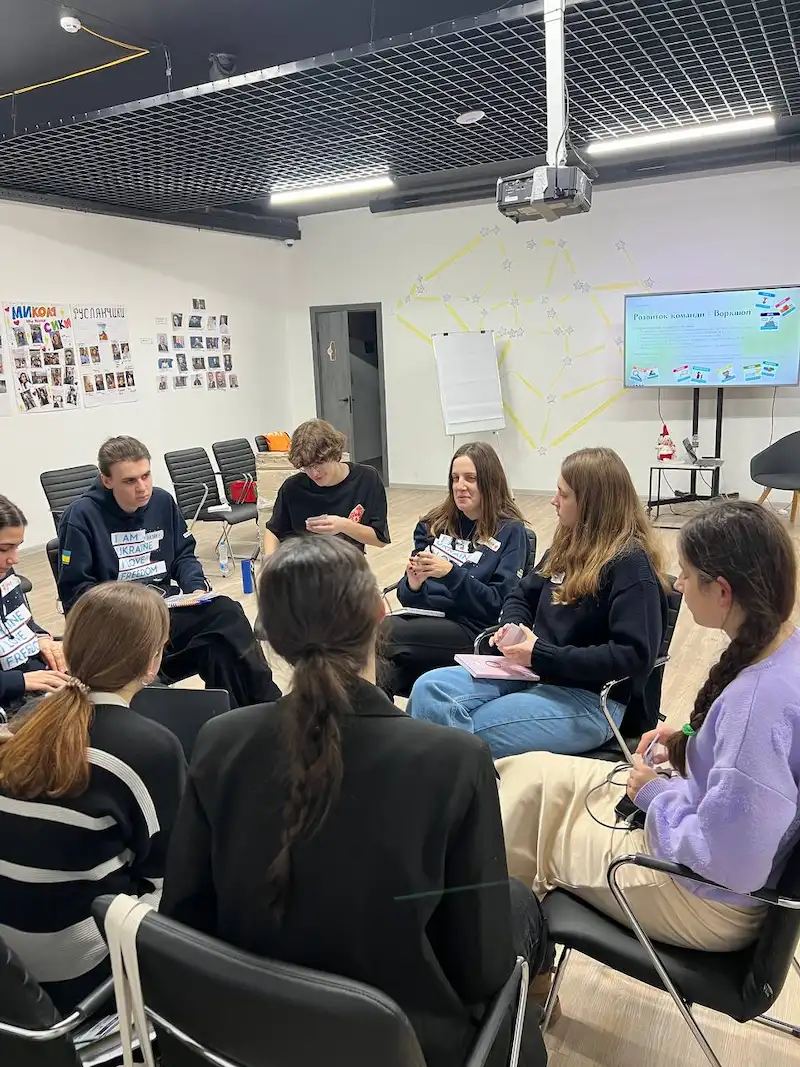
We start from your context
Not a generic intro, but your team's real situation.
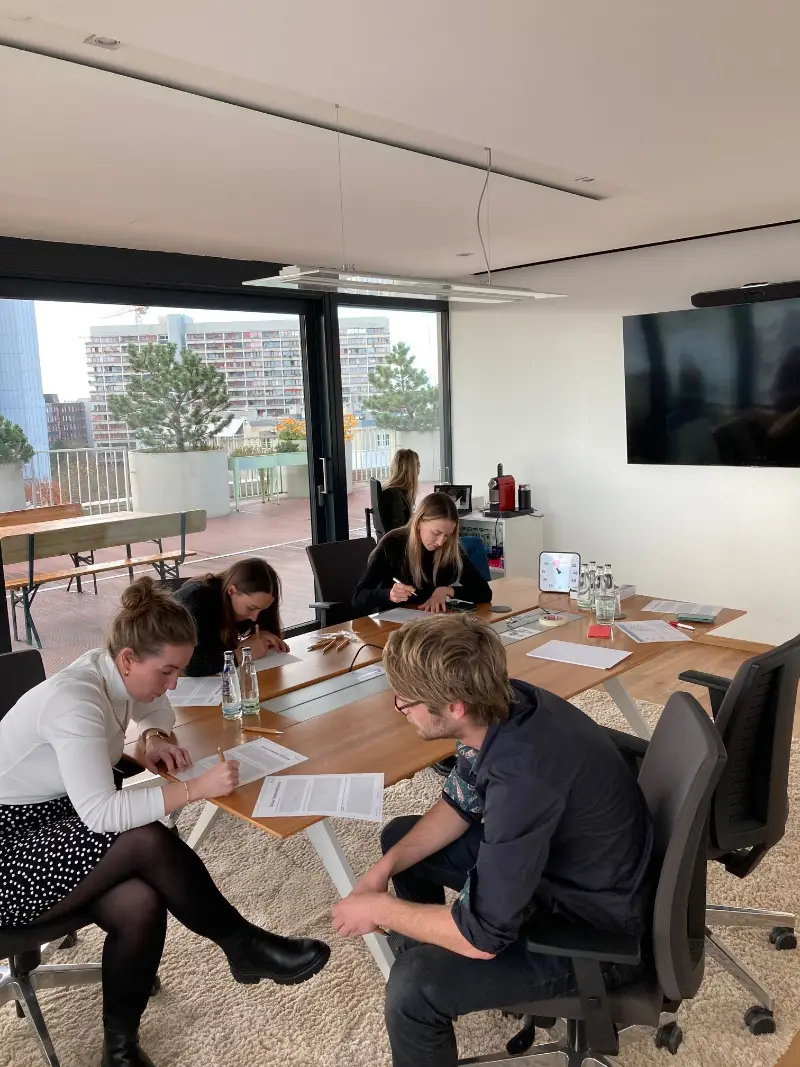
Concept, then practice
Short theory, straight into a case that mirrors your work.

Reflect and apply
The team leaves with templates and a way of working they use that week.
No lecture marathons. Every block pairs a short concept with a hands-on case — in groups, on real scenarios, with tools like Lego Serious Play.
What's Inside
Why change succeeds or fails
How people react to change, and why they resist
Core Change Management models and frameworks
Communication and stakeholder engagement
Leadership's role in transformation
The exact agenda is tailored to your team on a short Discovery Call
This Training In Action

Case title: one line about the team and the change they were going through
“
You can walk in knowing nothing and leave with real practical experience.
The challenge
One line on the situation before the training: what the team was struggling with. To be added with the first case.
What we did
Two to three lines on how the training was shaped and delivered for this team: format, focus, methods.
The result
00% — the measurable outcome. To be added with the first case.
What Participants Said
“
Mind-blowing! In 4 years at uni we wouldn’t have gotten this much knowledge about management. It was very modern and relevant.
“
During our S/4HANA implementation, Yanina served as an external change management advisor and trainer. She helped build and deliver our change management curriculum for colleagues across Germany.
“
You could tell that Ms. Mokrynska has real knowledge of project management. The course was built around practice and gave us the theory behind it. Many courses at MBS could learn a thing or two from it.
Other Trainings You Might Need
Intercultural Competence & Global Collaboration
Work better across cultures, spot unconscious bias early, and communicate clearly in international teams
Team Communication & Collaboration
Build a team that communicates clearly, resolves conflict constructively, and takes ownership without micromanagement
Team-Building Workshop
Strengthen trust and collaboration in a new or growing team, through structured exercises, not icebreaker games
Tell me the challenge. I’ll build the training
Book a short Discovery Call. We'll go through your team, your goal and your format, then I'll tailor this training around it.
I'll get back to you within two working days.
Got It, Thank You!
I'll read your message and reply personally as soon as I can, usually within 1–2 business days.
Hmm, that didn't go through. Please try again in a minute or message me via the links below.