
About This Training
Intercultural Competence & Global Collaboration is a training on how to communicate and work well in international and diverse teams.
It explores how culture shapes the way people give feedback, make decisions, handle hierarchy and deal with time, and why the same message can land very differently across a team. Participants work with a cultural framework, real collaboration scenarios and reflection exercises that make their own habits and blind spots visible.
The training draws on years of living, studying and working in Ukraine, China and Germany. By the end, your team recognises misunderstandings and unconscious bias earlier, adapts its communication on purpose and has practical agreements for working across borders.
Level
Foundational
Prior knowledge
None required
Includes
Materials, cultural framework overview, case studies
Who It's For
International and distributed teams
Managers leading people across countries
Expats and international professionals
HR and People Development teams
Students and professionals in multicultural environments
What Your Team Walks Away With

Cultural awareness
A clear view of how culture shapes behaviour at work, starting with your own.
Communication styles
Direct or indirect, explicit or implied: how to read the difference and adjust to it.
Unconscious bias
How to notice assumptions before they turn into misunderstandings or unfair decisions.
Feedback across cultures
Ways to give and receive feedback that work for people with different expectations.
Global teamwork
Practical agreements for meetings, decisions and deadlines in teams spread across countries.
Empathy and adaptability
The habit of asking before assuming, which makes everyday collaboration calmer and faster.
Everyone leaves with training materials, a cultural framework overview and collaboration scenarios to revisit with the team.
How The Training Runs
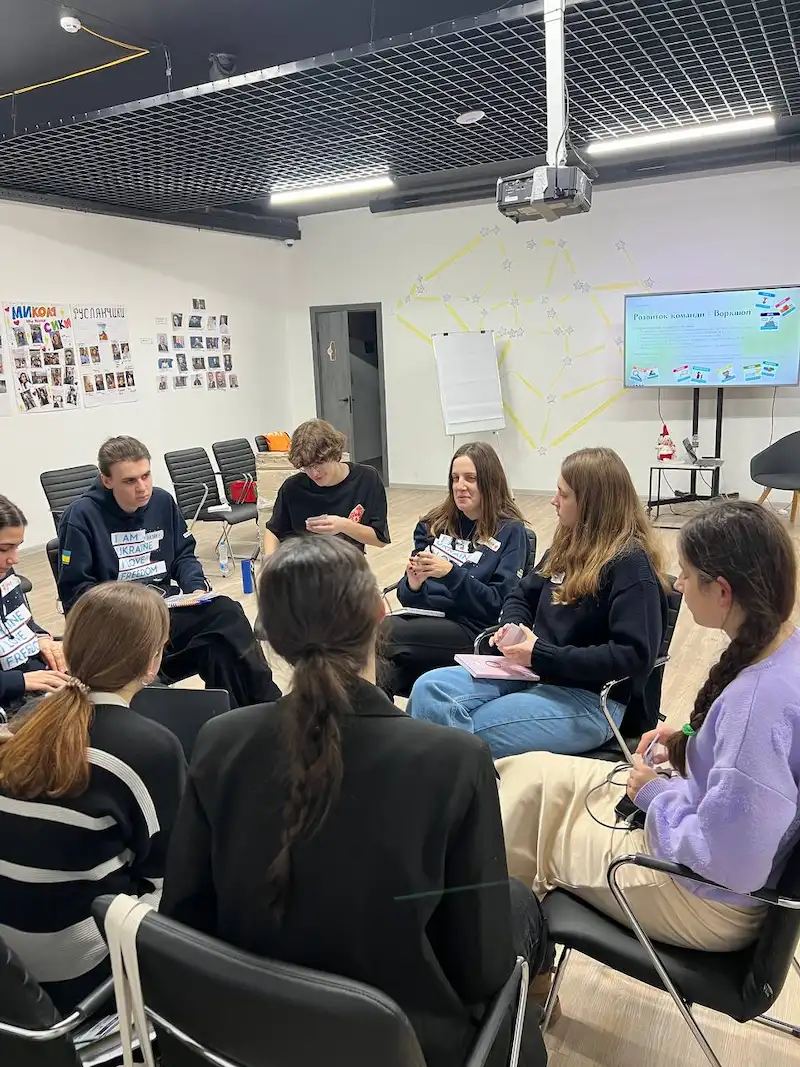
We start from your context
Not a generic intro, but your team's real situation.
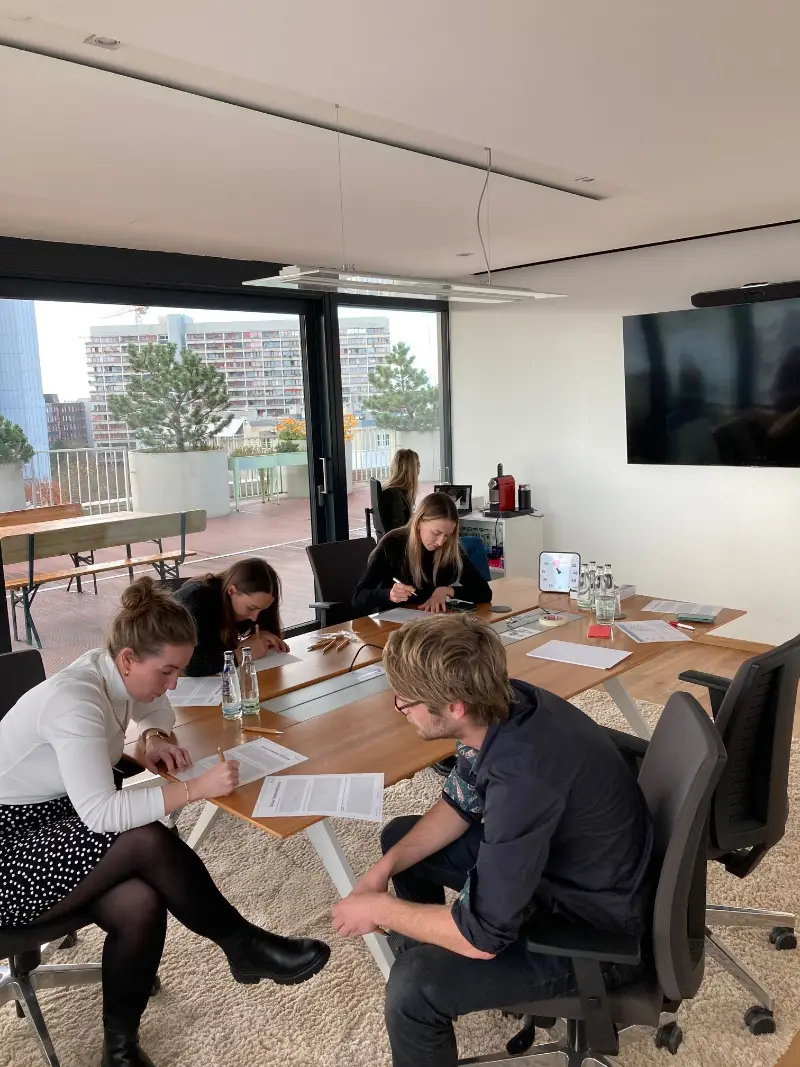
Concept, then practice
Short theory, straight into a case that mirrors your work.

Reflect and apply
The team leaves with templates and a way of working they use that week.
No lecture marathons. Every block pairs a short concept with a hands-on case — in groups, on real scenarios, with tools like Lego Serious Play.
What's Inside
What culture is and how it shows up at work
Cultural dimensions and communication styles
Unconscious bias and common misunderstandings
Feedback, hierarchy and decision-making across cultures
Agreements for international and remote teams
The exact agenda is tailored to your team on a short Discovery Call
Other Trainings You Might Need

Team Communication & Collaboration
Build a team that communicates clearly, resolves conflict constructively, and takes ownership without micromanagement
Team-Building Workshop
Strengthen trust and collaboration in a new or growing team, through structured exercises, not icebreaker games
Change Management Foundations
Help your team move through change with less resistance, clearer communication, and buy-in from the people who matter
Tell me the challenge. I’ll build the training
Book a short Discovery Call. We'll go through your team, your goal and your format, then I'll tailor this training around it.
I'll get back to you within two working days.
Got It, Thank You!
I'll read your message and reply personally as soon as I can, usually within 1–2 business days.
Hmm, that didn't go through. Please try again in a minute or message me via the links below.