


About This Training
Time & Priority Management is a practical training for people who juggle several projects, deadlines and stakeholders at once.
It starts with how participants actually spend their time today, then works through prioritisation techniques like the Eisenhower matrix, planning routines, ways to protect focus time and ways to say no without damaging relationships. Every tool is tested on the participants' own workload during the session.
By the end, people have a personal system for planning their week, clear criteria for what goes first when everything feels urgent and a calmer way of handling interruptions. The aim is not to squeeze more into the day, but to spend it on the right things.
Level
Foundational
Prior knowledge
None required
Includes
Materials, planning templates, prioritisation tools
Who It's For
Project managers running several projects at once
Team leads balancing operational and project work
Project coordinators and PMO specialists
Professionals with many stakeholders and deadlines
Anyone who feels busy but not productive
What Your Team Walks Away With

Clear priorities
Criteria for what comes first when everything looks urgent.
Weekly planning
A simple routine for planning the week that survives real life.
Focus time
Ways to protect time for deep work from meetings, chats and constant interruptions.
Saying no
How to push back on or renegotiate requests without damaging relationships.
Several projects at once
Tools to keep an overview across projects and switch between them with less friction.
Less stress
A calmer way of working, because the plan is clear and so are the trade-offs.
Everyone leaves with planning templates, prioritisation tools and a personal plan for the following week.
How The Training Runs
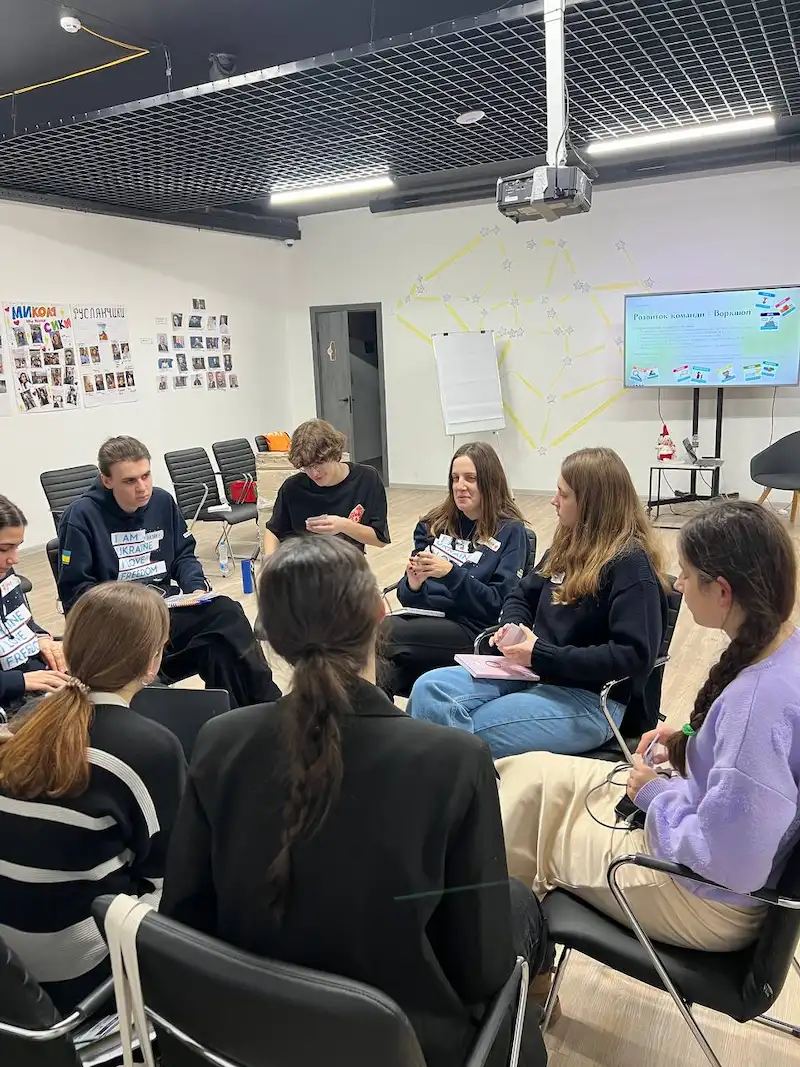
We start from your context
Not a generic intro, but your team's real situation.
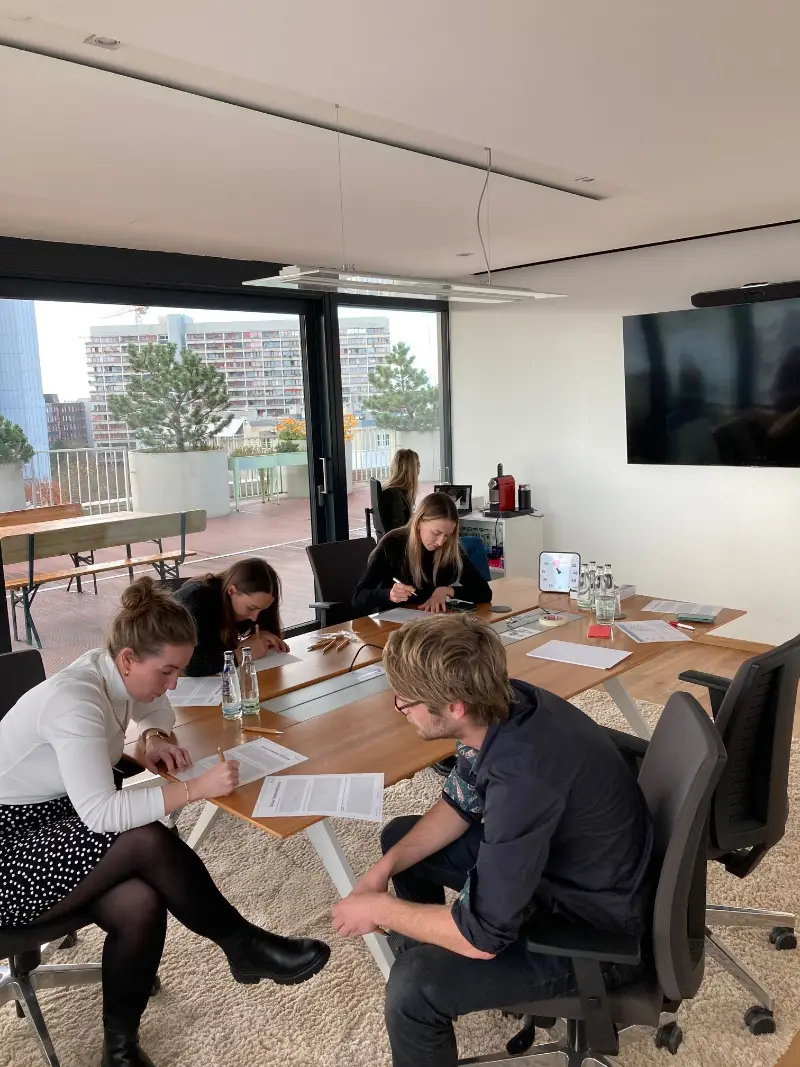
Concept, then practice
Short theory, straight into a case that mirrors your work.

Reflect and apply
The team leaves with templates and a way of working they use that week.
No lecture marathons. Every block pairs a short concept with a hands-on case — in groups, on real scenarios, with tools like Lego Serious Play.
What's Inside
Where the time goes today
Prioritisation techniques
Planning the week and the day
Focus, interruptions and meetings
Saying no and renegotiating deadlines
Managing several projects at once
The exact agenda is tailored to your team on a short Discovery Call
This Training In Action

Case title: one line about the team and the change they were going through
“
You can walk in knowing nothing and leave with real practical experience.
The challenge
One line on the situation before the training: what the team was struggling with. To be added with the first case.
What we did
Two to three lines on how the training was shaped and delivered for this team: format, focus, methods.
The result
00% — the measurable outcome. To be added with the first case.
What Participants Said
“
Yanina has a rare gift for keeping the audience engaged and explaining even complex topics in a simple, practical way. Her sessions were full of real-life examples and hands-on exercises.
Other Trainings You Might Need
Project Management & Agile Fundamentals
The full toolkit for planning, running and delivering projects the modern way, from kickoff to delivery
Scrum Master PSM I Preparation
Hands-on preparation for the certification exam, from someone who holds it and uses it daily
Team Communication & Collaboration
Build a team that communicates clearly, resolves conflict constructively, and takes ownership without micromanagement
Tell me the challenge. I’ll build the training
Book a short Discovery Call. We'll go through your team, your goal and your format, then I'll tailor this training around it.
I'll get back to you within two working days.
Got It, Thank You!
I'll read your message and reply personally as soon as I can, usually within 1–2 business days.
Hmm, that didn't go through. Please try again in a minute or message me via the links below.