
About This Training
Team Communication & Collaboration is a practical training on how teams talk, decide and work together every day.
It looks at where collaboration usually breaks down: unclear expectations, feedback that never gets said, conflicts that grow quietly and responsibilities that fall between chairs. The team works with stages of team development, simple communication and feedback models, and exercises built around their own situations, not generic role-plays.
By the end, people have shared rules for how they communicate, a common way to give and take feedback, and a clearer sense of who owns what. That means fewer misunderstandings, faster decisions and less need to manage every detail from the top.
Level
Foundational
Prior knowledge
None required
Includes
Materials, collaboration frameworks, communication tools
Who It's For
Teams that work closely together every day
Team leads and managers
Cross-functional and project teams
Scrum Masters and Agile Coaches
HR professionals supporting team development
What Your Team Walks Away With

How teams develop
The stages every team goes through, and what each stage needs from its lead and its members.
Clear communication
Expectations, decisions and updates said in a way that lands the first time.
Feedback that helps
A shared way to give and take feedback, so it becomes a routine instead of a risk.
Trust and psychological safety
Conditions where people raise problems and ideas early, before they turn into incidents.
Conflict, handled well
Tools to address disagreement directly and turn it into better decisions.
Ownership
Clear responsibilities, so people take the lead on their work without being micromanaged.
Everyone leaves with training materials, collaboration frameworks and communication tools the team has agreed to use.
How The Training Runs
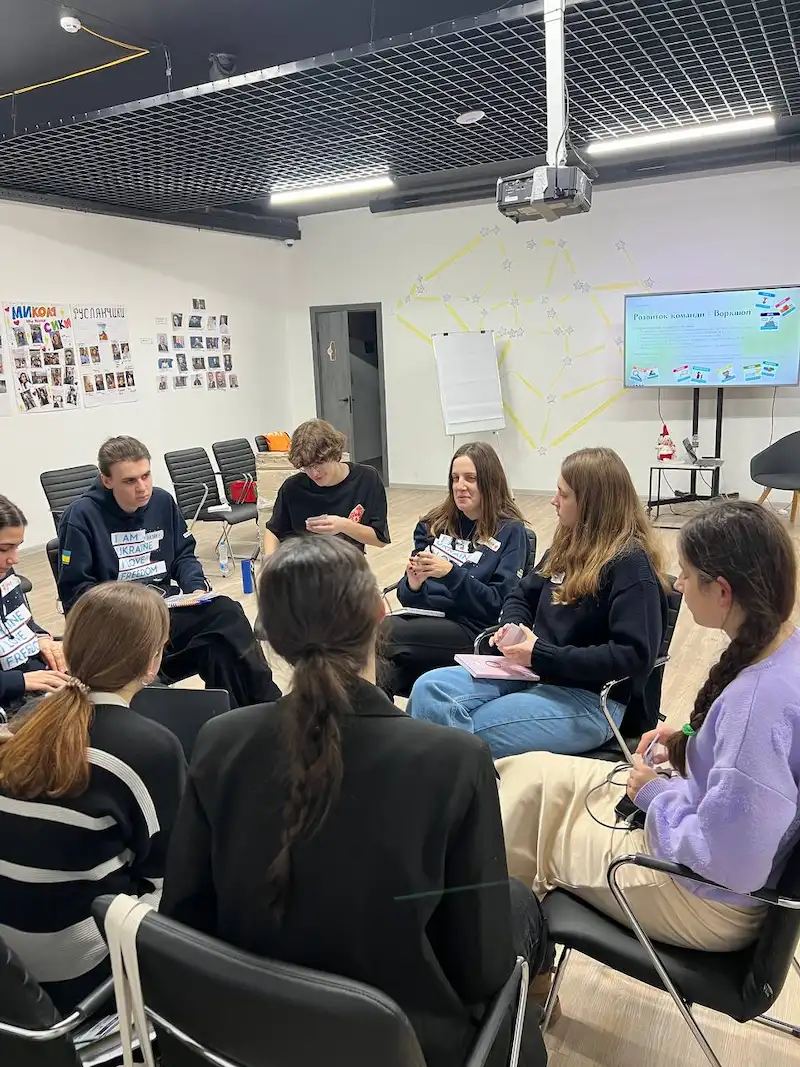
We start from your context
Not a generic intro, but your team's real situation.
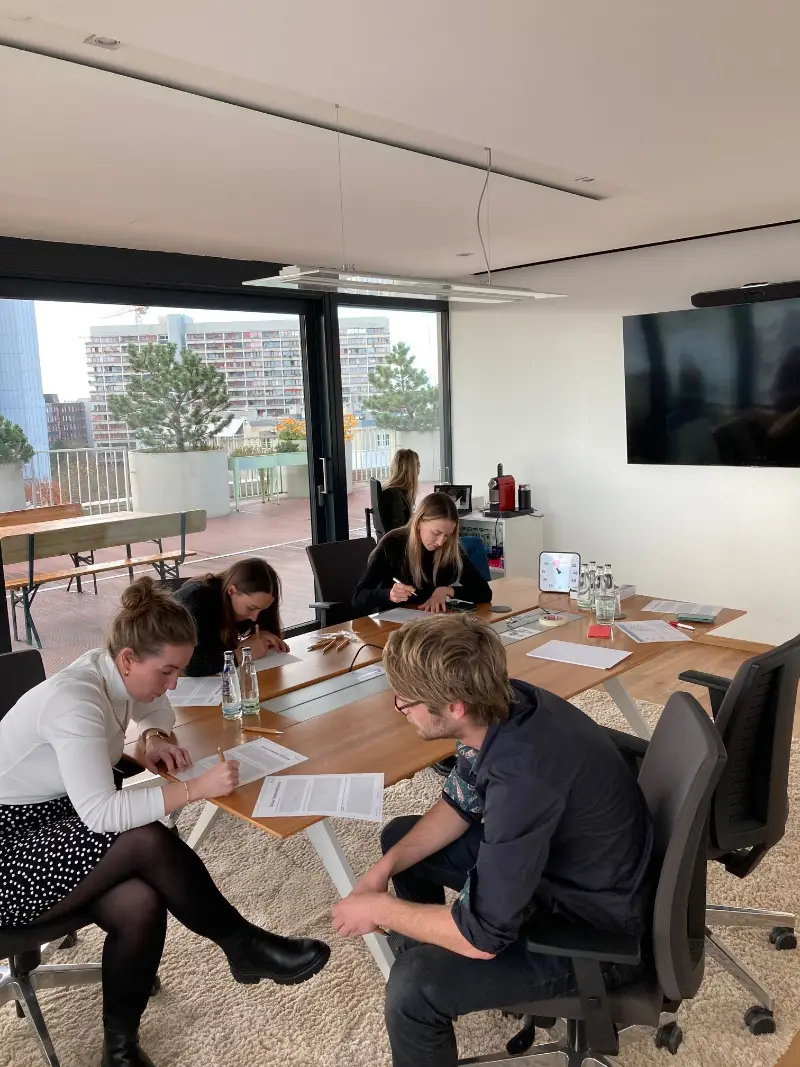
Concept, then practice
Short theory, straight into a case that mirrors your work.

Reflect and apply
The team leaves with templates and a way of working they use that week.
No lecture marathons. Every block pairs a short concept with a hands-on case — in groups, on real scenarios, with tools like Lego Serious Play.
What's Inside
Team development stages and roles
Communication styles and clear expectations
Feedback: giving, receiving and making it routine
Trust and psychological safety
Conflict resolution in practice
Accountability and ownership: team agreements
The exact agenda is tailored to your team on a short Discovery Call
Other Trainings You Might Need

Team-Building Workshop
Strengthen trust and collaboration in a new or growing team, through structured exercises, not icebreaker games
Intercultural Competence & Global Collaboration
Work better across cultures, spot unconscious bias early, and communicate clearly in international teams
Change Management Foundations
Help your team move through change with less resistance, clearer communication, and buy-in from the people who matter
Tell me the challenge. I’ll build the training
Book a short Discovery Call. We'll go through your team, your goal and your format, then I'll tailor this training around it.
I'll get back to you within two working days.
Got It, Thank You!
I'll read your message and reply personally as soon as I can, usually within 1–2 business days.
Hmm, that didn't go through. Please try again in a minute or message me via the links below.