


About This Training
Project Management & Agile Fundamentals is a practical introduction to how projects are planned, run and delivered.
It covers the full project lifecycle, from kickoff and planning to delivery and lessons learned, and shows where traditional and Agile approaches differ and where they work together. Your team learns the key terms, roles and tools, from stakeholder and risk analysis to Kanban and Scrum basics, and practices each one on a running case study in small groups.
By the end, people stop guessing how a project should be set up. They share one vocabulary, know which method fits which situation, and leave with templates they can open in their next project the same week.
Level
Foundational
Prior knowledge
None required
Includes
Materials, project templates, Agile and Scrum role overview
Who It's For
Team members who work in projects without a formal PM background
Junior project managers and project coordinators
Professionals moving from traditional to Agile ways of working
Students and career starters heading into corporate roles
Team leads who plan and coordinate work across people
What Your Team Walks Away With

The project lifecycle
How a project moves from kickoff to lessons learned, and what each phase needs to succeed.
Planning that holds
Scope, timelines and priorities planned with simple tools the team keeps using after the training.
Stakeholders and risks
Who to involve, when to involve them, and how to spot the risks that usually surface too late.
Agile and Scrum basics
The principles behind Agile, plus Scrum roles, events and artefacts, learned through practice rather than slides.
The right method for the job
Traditional, Agile or hybrid: the judgment to choose what fits the project instead of following a trend.
Confidence in project work
People know their role in a project and contribute from day one, not after months of trial and error.
Everyone leaves with training materials, practical project templates and an overview of Agile and Scrum roles.
How The Training Runs
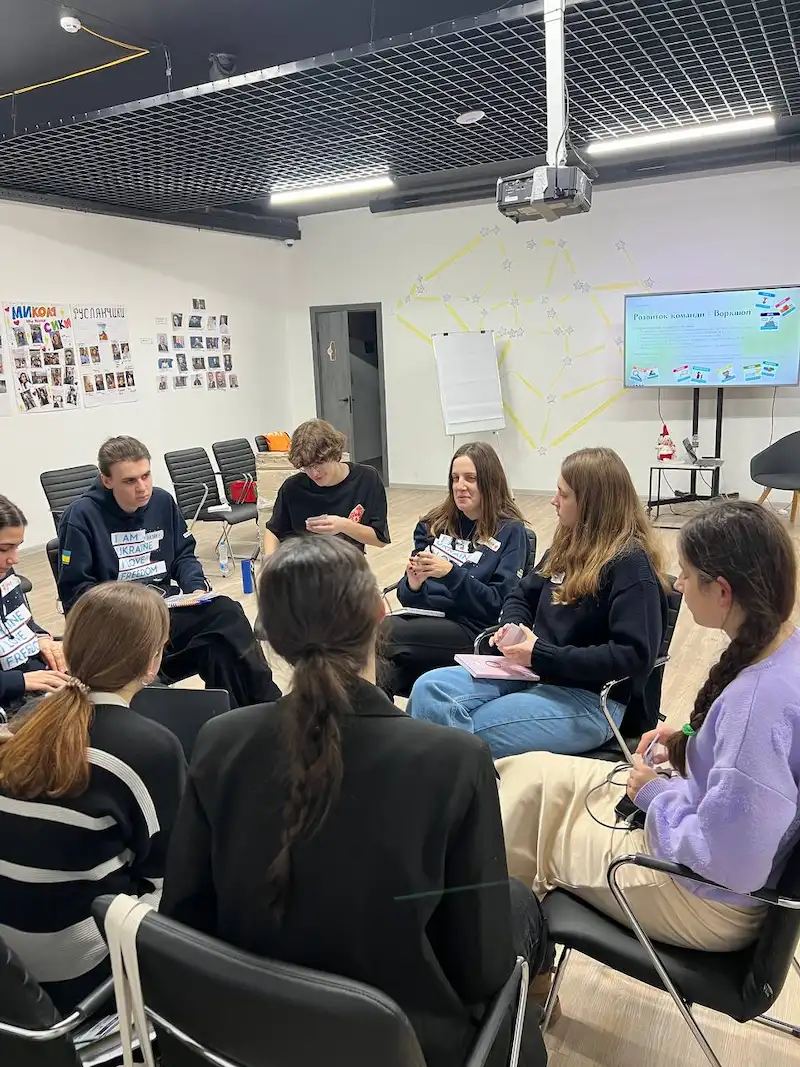
We start from your context
Not a generic intro, but your team's real situation.
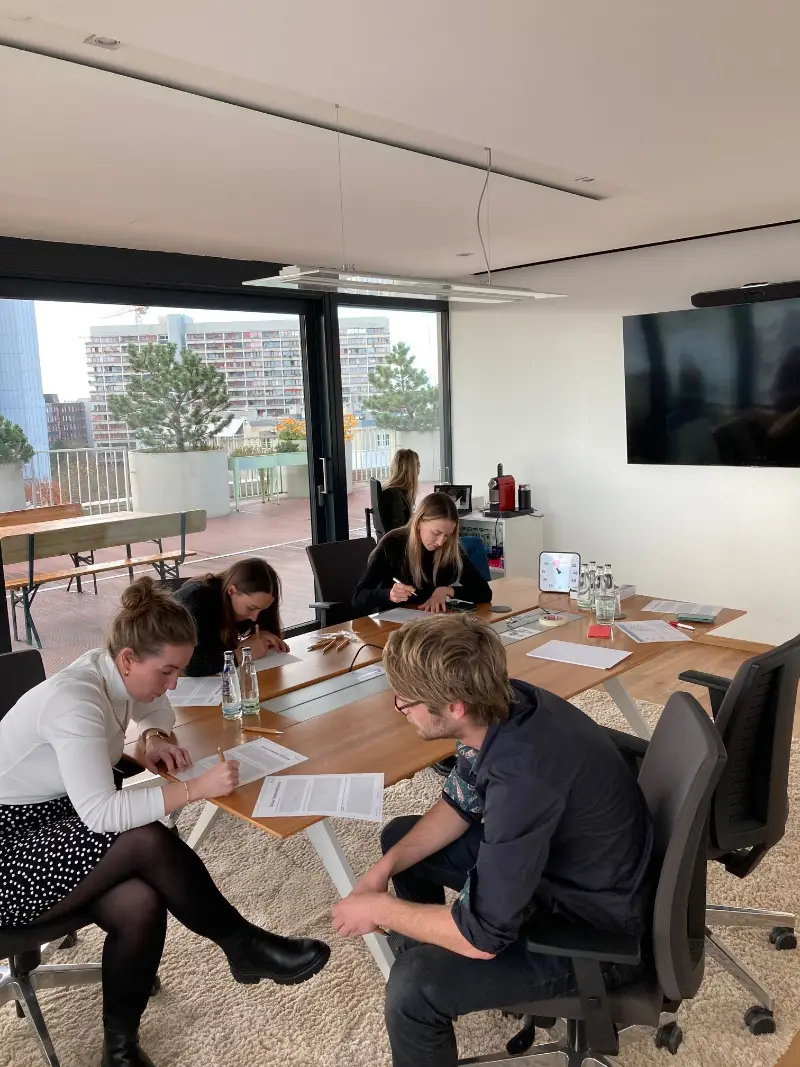
Concept, then practice
Short theory, straight into a case that mirrors your work.

Reflect and apply
The team leaves with templates and a way of working they use that week.
No lecture marathons. Every block pairs a short concept with a hands-on case — in groups, on real scenarios, with tools like Lego Serious Play.
What's Inside
Project basics: lifecycle, roles and key terms
Planning: scope, timeline and priorities
Stakeholder and risk analysis
Agile principles, Kanban and Scrum
Traditional, Agile or hybrid: choosing the approach
Running and closing a project: reporting and lessons learned
The exact agenda is tailored to your team on a short Discovery Call
Other Trainings You Might Need

Scrum Master PSM I Preparation
Hands-on preparation for the certification exam, from someone who holds it and uses it daily
Time & Priority Management
Prioritize with confidence and stay productive when several projects land on your plate at once
Change Management Foundations
Help your team move through change with less resistance, clearer communication, and buy-in from the people who matter
Tell me the challenge. I’ll build the training
Book a short Discovery Call. We'll go through your team, your goal and your format, then I'll tailor this training around it.
I'll get back to you within two working days.
Got It, Thank You!
I'll read your message and reply personally as soon as I can, usually within 1–2 business days.
Hmm, that didn't go through. Please try again in a minute or message me via the links below.